The Frequency Problem in Aphasia Practice
Recent research on Intensive Comprehensive Aphasia Programs points to something useful: how often you practice can matter as much as how many total hours you put in. Studies suggest that practicing 3–5 times a week can help more than the same number of hours spread thin over months. But here's the challenge—most people can only get to their speech therapist once or twice a week, because of insurance limits, scheduling, or distance. That gap between what the research points to and what's actually available is exactly where Aphasia Studio comes in.
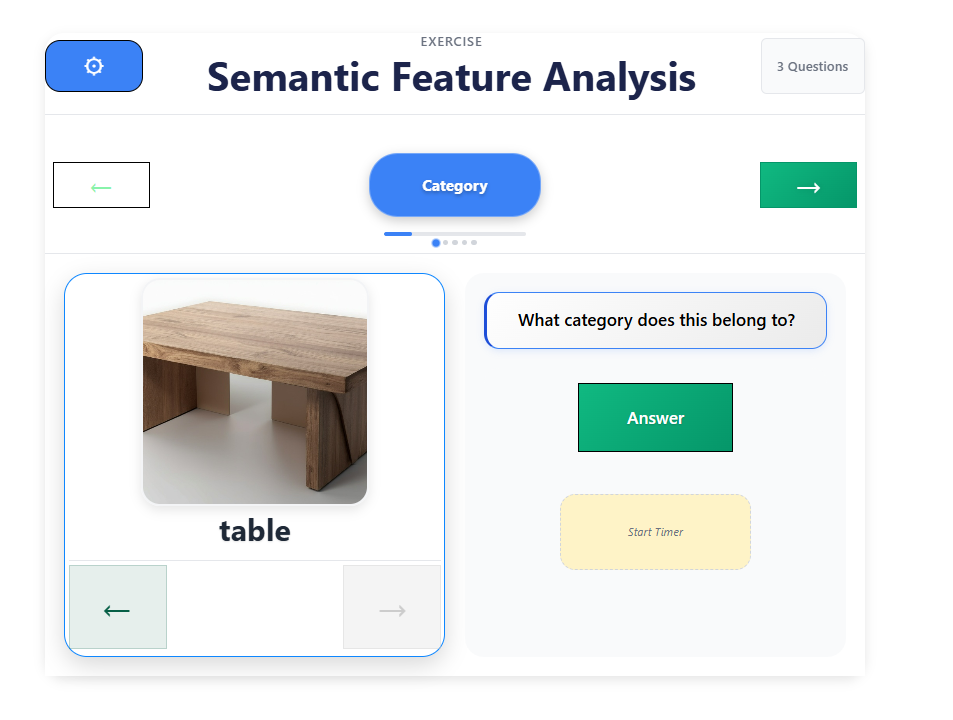
See it in action:
What the Research Shows About Practice Frequency

A 2025 study compared three therapy models and found something surprising: the modified intensive program (24 hours over 2 weeks, practicing 3-4 days per week) showed stronger improvements in functional communication and well-being than standard care (same 24 hours spread over 8 weeks at 1 hour, 3x/week). The difference? Frequency and consistency. The compressed schedule kept neural pathways firing regularly, while the spread-out approach meant too much time elapsed between practice sessions. Even more interesting: the study found that 37% of people in the most intensive program (4-6 hours daily, 4 days/week) achieved clinically meaningful language improvements, while zero participants in standard care hit that threshold.

How Aphasia Studio Bridges the Gap
Structured Practice That Complements Therapy
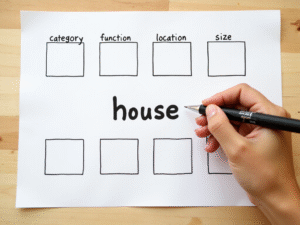
What makes Aphasia Studio different from random practice is structure. The exercises are built on evidence-based methods—Semantic Feature Analysis for word-finding, categorization tasks for organizing concepts, and functional communication practice. Each exercise gives you the kind of systematic repetition these methods are known for. You're not just "doing homework"—you're practicing the same types of activities used in intensive aphasia programs, just in shorter, manageable sessions that fit between your speech therapy appointments. The progress tracking helps you and your therapist see exactly what you're working on and how your practice is going.
Building Your Practice Schedule
Here's a practical example of how to use Aphasia Studio to increase your frequency: If you see your SLP on Mondays and Thursdays, you might use Aphasia Studio for 20 minutes on Tuesday, Wednesday, and Saturday. That takes you from 2 therapy sessions per week to 5 total practice days—right in the sweet spot that research suggests is optimal. Start with just 10-15 minutes if that feels more manageable, and gradually increase as practice becomes part of your routine. The key is consistency: five 15-minute sessions beat one 75-minute marathon every time.
The Comprehensive Approach
Research on intensive aphasia programs points to something else: comprehensiveness matters as much as intensity. The programs that worked best didn't just drill language skills—they included group practice, communication partner training, functional activities, and emotional support. While Aphasia Studio focuses on language and cognitive practice, it's designed to be one part of a bigger picture. Use it alongside your speech therapy appointments, support group participation, communication practice with family, and other activities. Think of it as one piece of your overall plan—the piece that makes fitting in frequent practice actually possible in real life. Individual results vary.
🖨️ Before you go — free flashcards
20 picture cards. Print them at home. Practice every day. Plus a bonus workbook preview.
We use cookies to make the site work and to understand how it's used.